Mtazamo Safaris

Ngorongoro Conservation Area

a UNESCO World Heritage Site and one of Africa’s most extraordinary destinations. This vast protected landscape in northern Tanzania blends dramatic volcanic scenery, abundant wildlife, ancient human history, and living Maasai culture in one unforgettable setting.

Best Time to Visit Ngorongoro

The best time to visit is the dry season from June to October, when short grass, clear skies, and animals concentrated around water sources offer excellent wildlife viewing. January and February are also outstanding, with good visibility and active predators. The green (wet) season from March to May brings lush scenery, fewer visitors, and lower rates ideal for photographers and those seeking a quieter experience. Wildlife viewing remains strong year round.

Ngorongoro offers an unparalleled combination of natural beauty, wildlife spectacle, and deep history a true treasure of Tanzania and a must-visit for any traveler seeking the soul of Africa.


Ngorongoro crater- must visit places

Wildlife of the Ngorongoro Crater

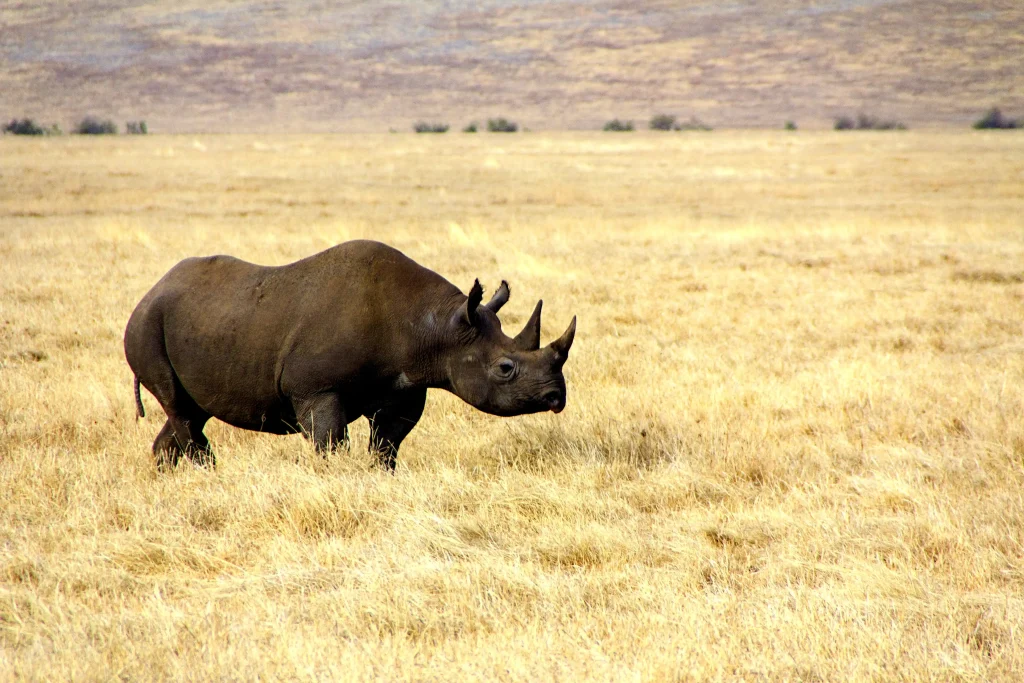
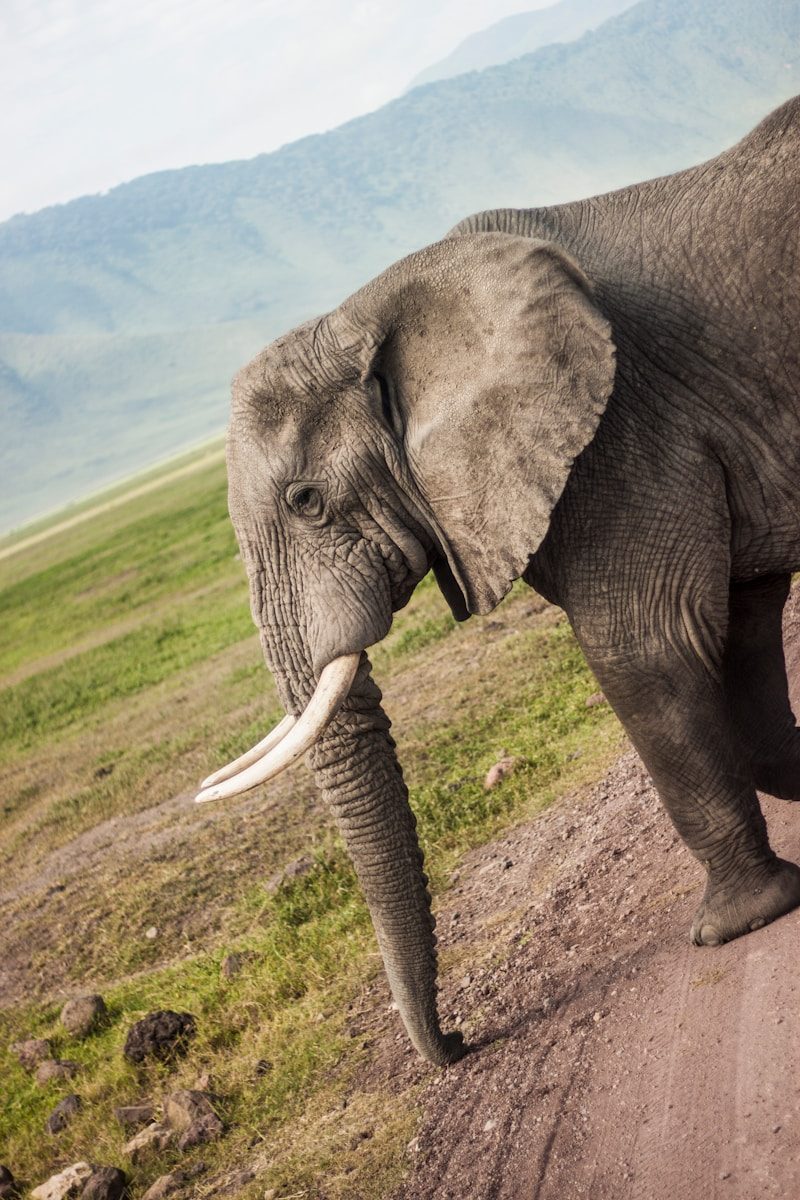
At the heart of the conservation area lies the Ngorongoro Crater the world’s largest intact volcanic caldera. Its fertile floor supports one of Africa’s densest concentrations of large mammals, including the Big Five: lion, elephant, buffalo, leopard, and the rare black rhino. Herds of wildebeest, zebra, and gazelle graze the open plains, while hippos wallow in pools and over 500 bird species fill the skies. Part of the greater Serengeti ecosystem, the area also plays a key role in the Great Migration.

Olduvai Gorge – The Cradle of Humankind

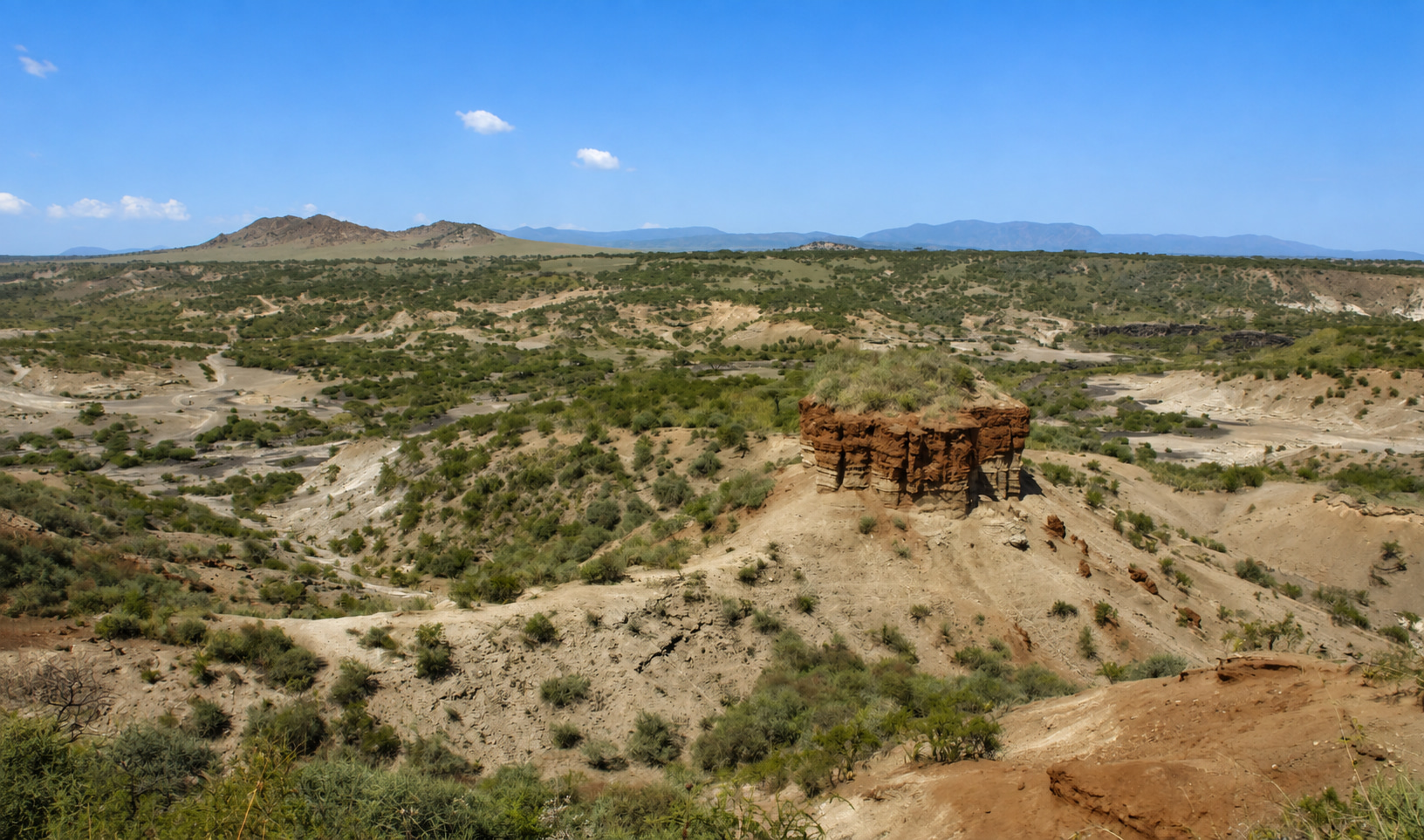
Just west of the crater, Olduvai (or Oldupai) Gorge is one of the world’s most important paleoanthropological sites. Here, pioneering discoveries by the Leakey family and others revealed fossils of early humans including Homo habilis and Paranthropus boisei dating back nearly two million years, along with ancient stone tools. A visit offers a profound glimpse into our shared human origins.

Lake Magadi

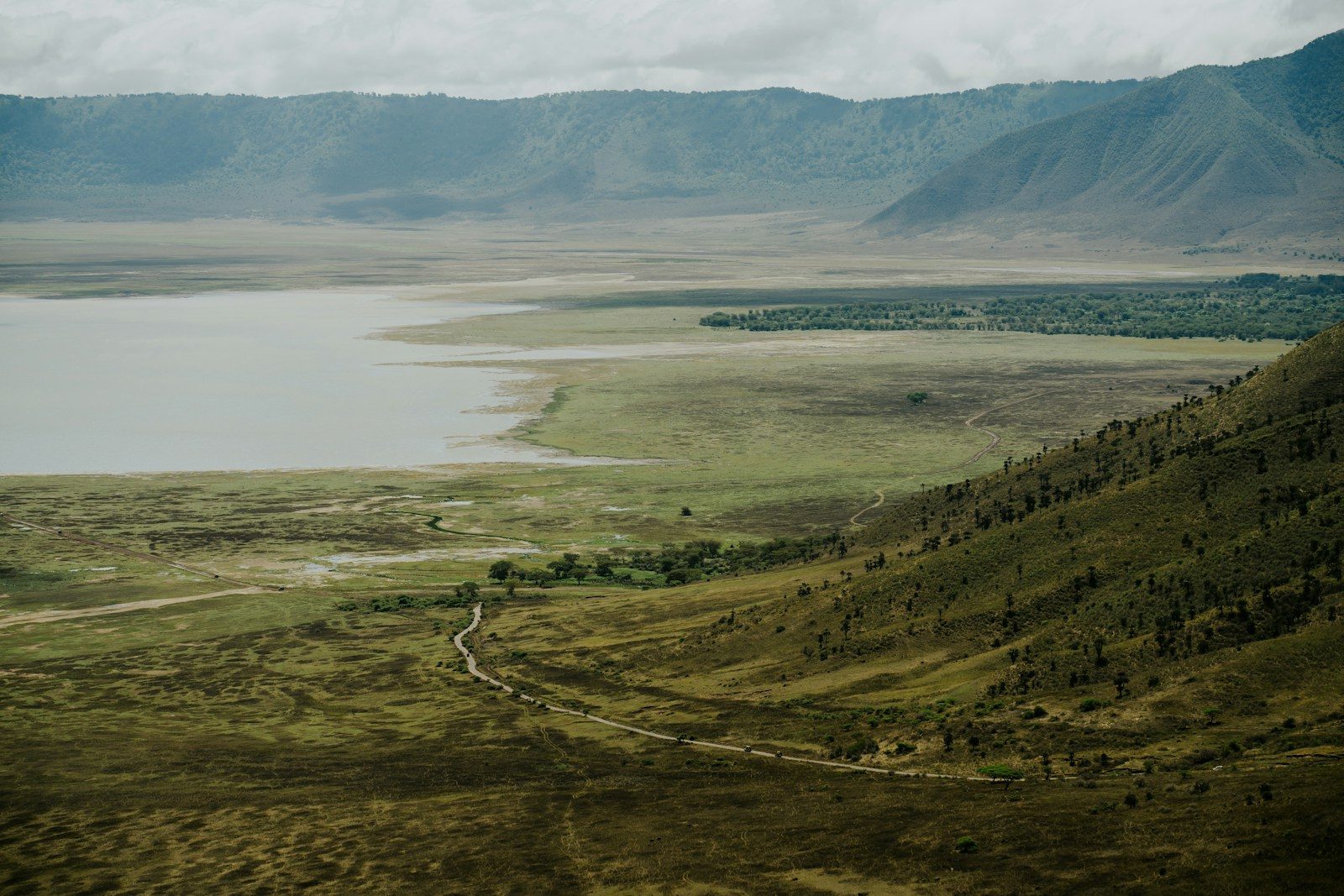
On the crater floor sits the shallow, alkaline Lake Magadi (sometimes called Lake Makati). This soda lake attracts large flocks of flamingos, whose pink plumage creates a striking contrast against the mineral-rich waters and surrounding grasslands. It is a highlight for birdwatchers and a peaceful spot to observe wildlife drawn to the water’s edge.

Related Packages