Mtazamo Safaris

Serengeti

Serengeti National Park is one of Africa’s most iconic safari destinations and a UNESCO World Heritage Site. Located in northern Tanzania, it covers about 14,763 km² (5,700 square miles) of vast, open plains, acacia woodlands, riverine forests, and rocky kopjes. The name comes from the Maasai word siringet (or serengit), meaning “the place where the land runs on forever” or “endless plains.”

Best Time to Visit Serengeti

Jan–Mar

Southern plains (Ndutu) — Calving season (thousands of wildebeest born daily); intense predator actionGreen, warm; moderate crowdsExcellent for predator drama & newborns

Apr–May

Moving through central/western areasLong rains; lush but some roads muddy; low crowds & pricesGood value “green season”

Jun–Jul

Western Corridor (Grumeti River crossings begin)Dry season starts; cooler morningsStrong wildlife, building excitement

Jul–Oct

Northern Serengeti (Mara River crossings peak Aug–Sep)Dry, clear skies; peak crowds & pricesClassic migration spectacle

Nov–Dec

Herds moving south through central areas Short rains; greening landscape; fewer crowds Shoulder season value

Key Highlights

Wildlife

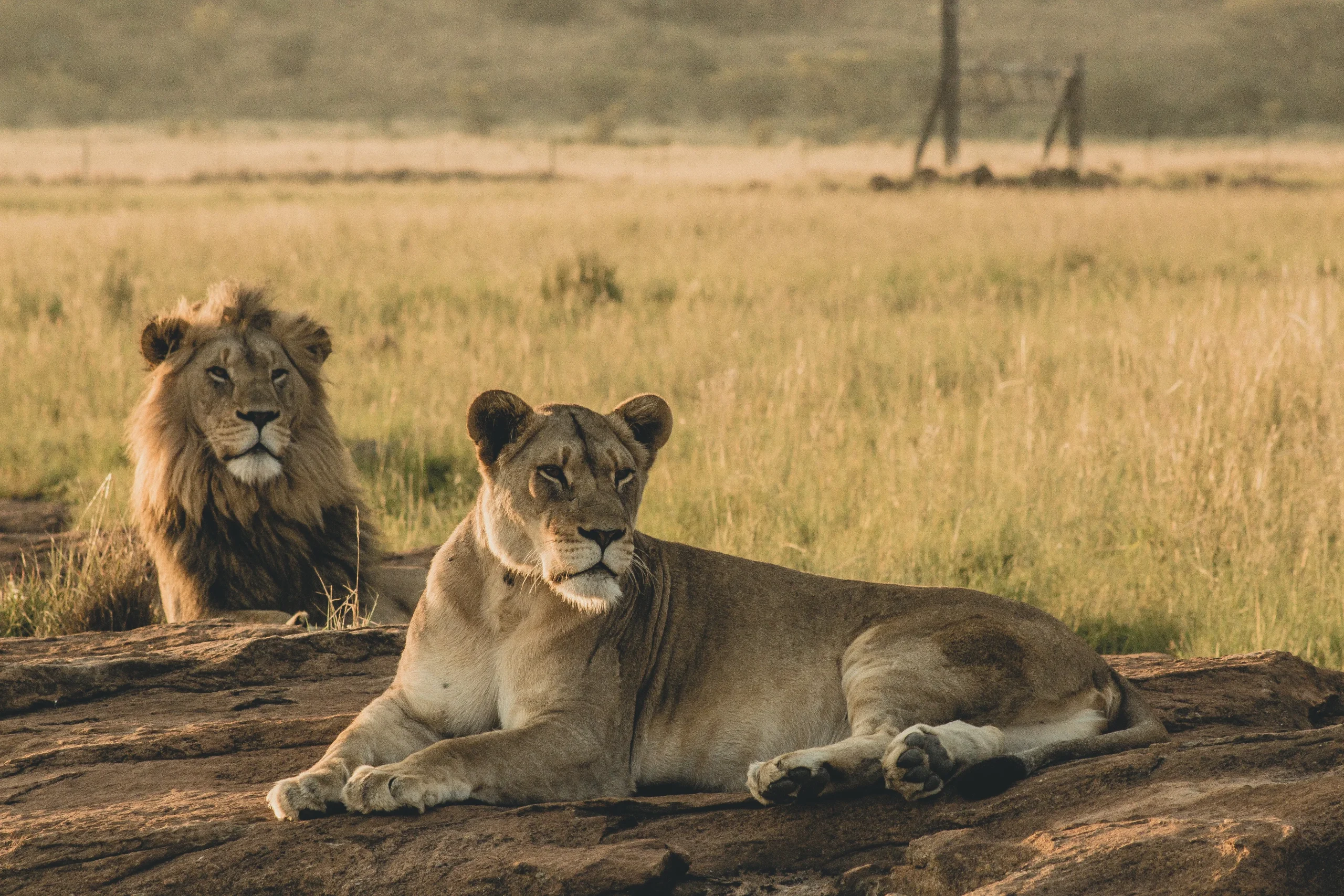
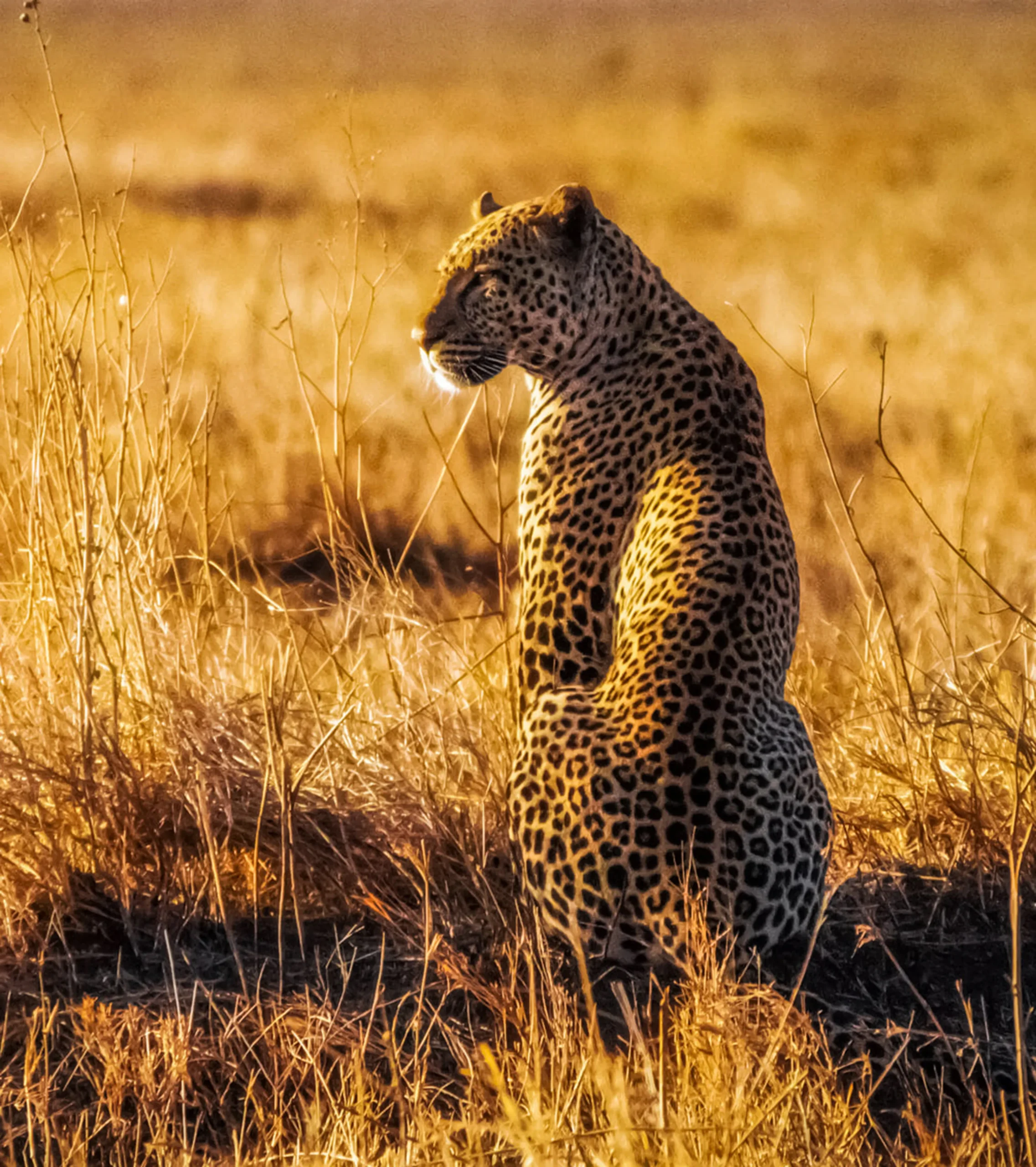
Exceptional densities of large mammals, including the Big Five (lion, leopard, elephant, buffalo, and black rhino). High numbers of lions (one of the largest remaining populations), cheetahs, hyenas, giraffes, hippos, and over 500 bird species.

Great Migration

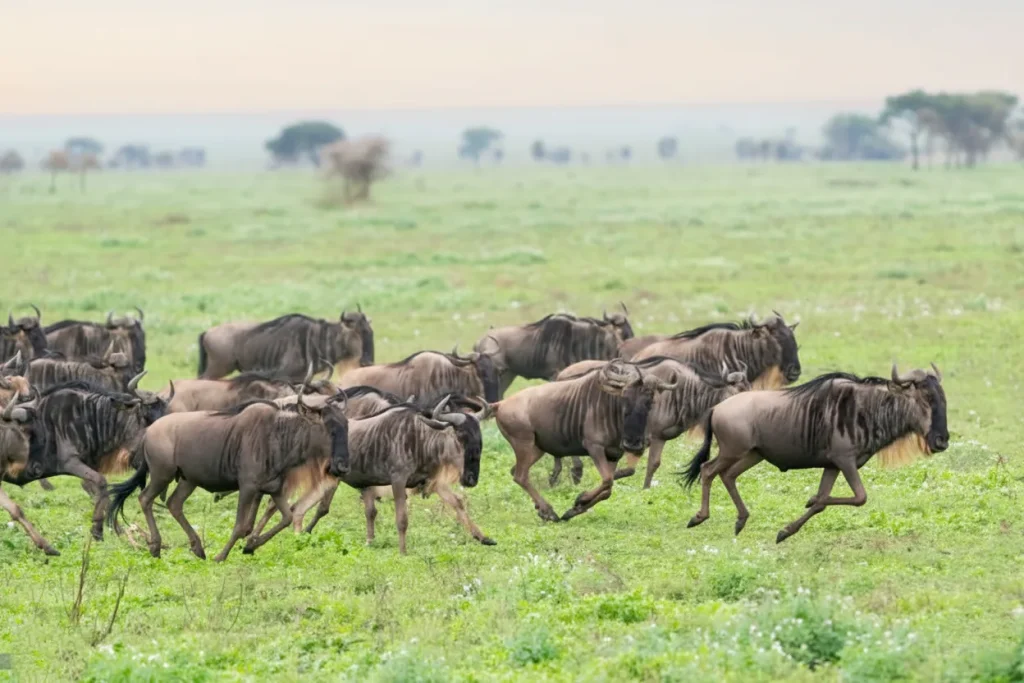
The defining spectacle. Herds move clockwise around the ecosystem year-round, with dramatic river crossings (Grumeti and Mara Rivers) and calving seasons.

Landscapes

Endless short-grass plains in the south, woodlands and rivers in the west and center (Seronera Valley is a year-round wildlife hotspot), and more rugged northern areas.

Activities

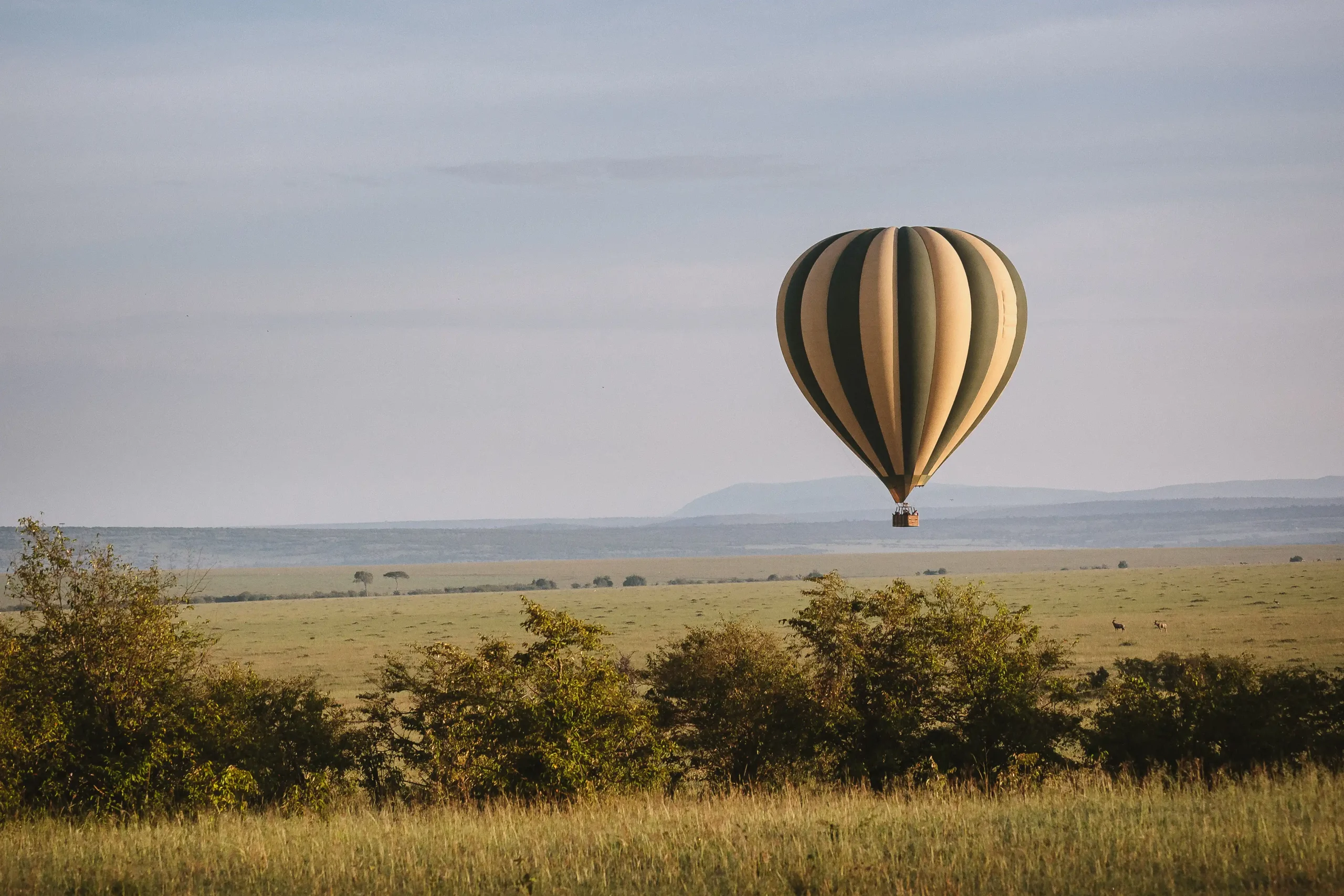
Game drives (day and night in some areas), hot-air balloon safaris at sunrise, walking safaris (in designated zones), and cultural visits with Maasai communities outside the park.

Related Packages